
Technology is our Next Nature
Hallo aardbewoner
De planeet is aan het veranderen. Klimaatverandering, kunstmatige intelligentie, verstedelijking. Menselijke aanwezigheid is alom voelbaar. Next Nature vertelt het verhaal van de mens die haar wereld verandert met de vruchten van kennis, design en technologie. Wij zijn open, hoopvolle, toekomstgerichte mensen die niet terug, maar vooruit naar de natuur willen. We maken wereldwijd impact, met leden in 44 landen. In ons toekomstmuseum in Eindhoven, ervaar je de visie in ‘real life’.

Open Call: Toekomst van Zorg
We nodigen kunstenaars, ontwerpers, denkers en makers uit om nieuwe perspectieven op zorg, welzijn en gezondheid te verbeelden. Hoe ziet de toekomst van gezondheid eruit in een wereld die voortdurend verandert? Deel jouw projectvoorstel, verras ons met jouw visie en maak kans om onderdeel te worden van onze tentoonstelling.
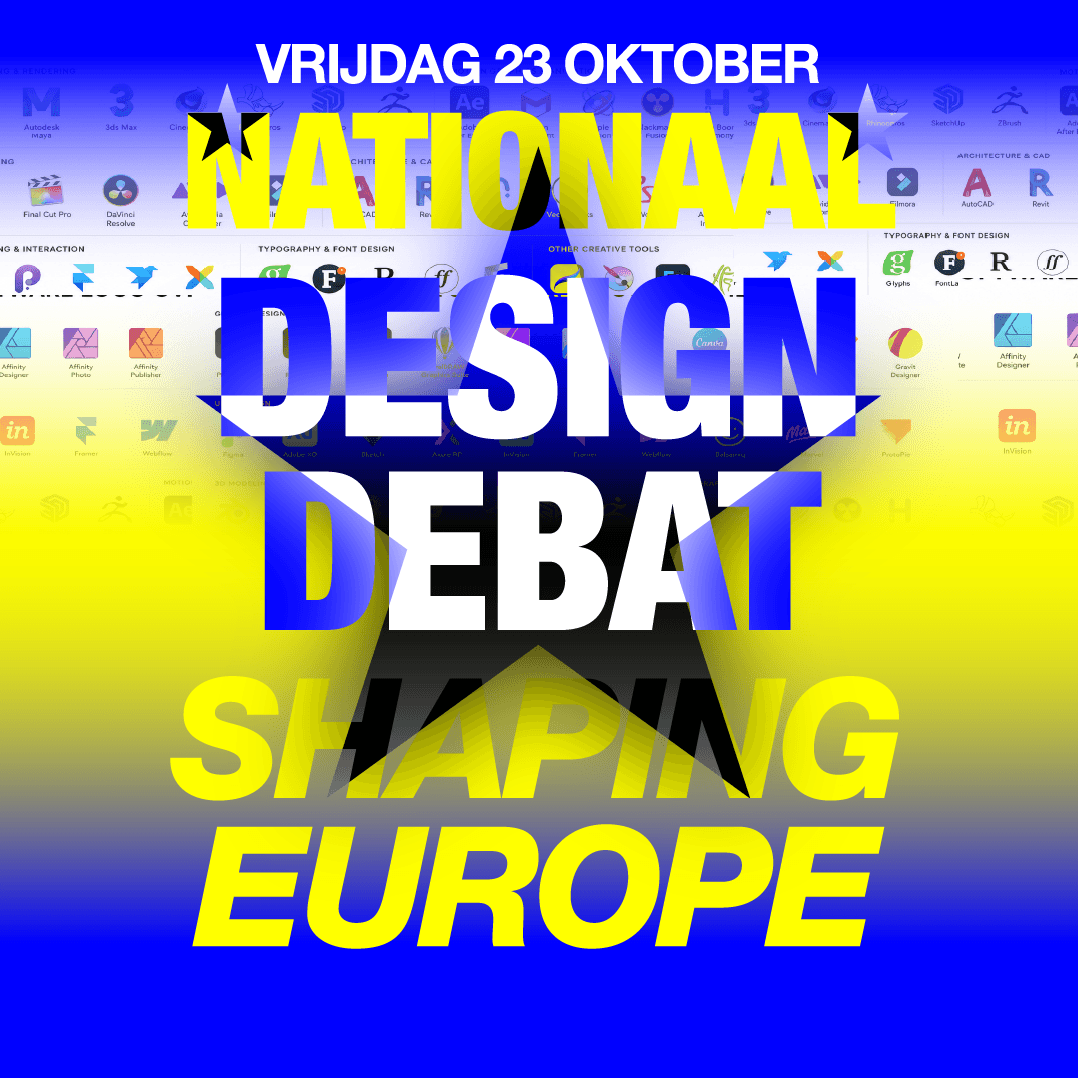
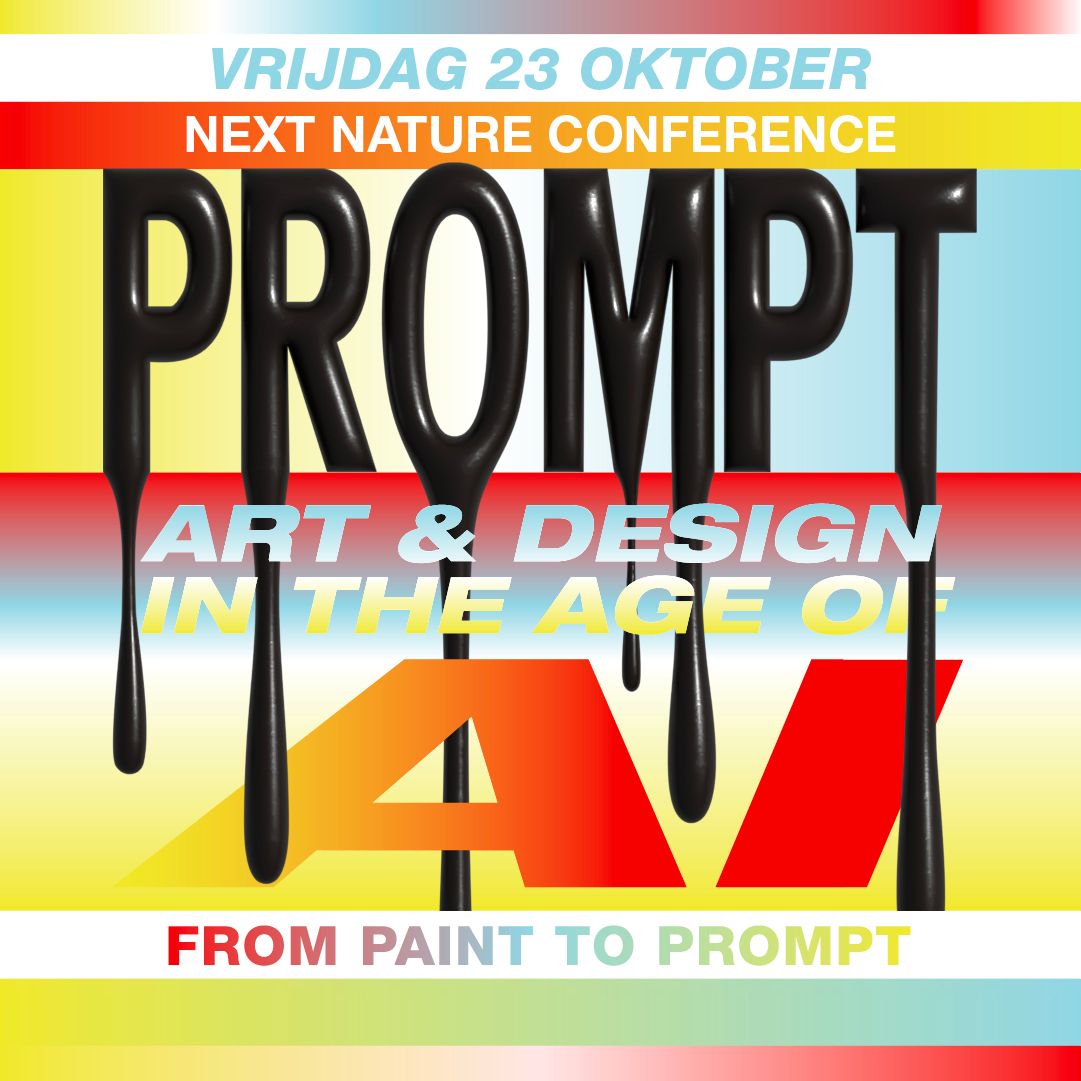
Nu te zien in ons ruimteschip
Op dit moment schitteren in ons ruimteschip baanbrekende tentoonstellingen die je niet wilt missen: Er was eens... de Aarde, Digital Wellness Center en RetroFuture. Zin in meer avontuur? Boek dan een tijdreis in onze Synthetic Reality-ervaring of probeer te ontsnappen uit de Quantum Escape Room!

Beleef de herfst bij Next Nature
Ontdek deze herfstvakantie samen de interactieve wereld van het Next Nature Museum, waar natuur en technologie samenkomen. Van tentoonstellingen en activiteiten tot inspirerende evenementen voor jong en oud.

Online Magazine
Niet alleen in ons Toekomstmuseum brengen we de volgende natuur in kaart, dat doen we ook online, in ons magazine. Hier vind je duizenden artikelen waarin we trends analyseren en mogelijke toekomsten verkennen. Lees bijvoorbeeld over computers van hersencellen of ontdek de gamewereld van Microtopia. In een wereld die razendsnel verandert, is Next Nature jouw gids naar de toekomst.

Jouw evenement in het Evoluon
Op zoek naar een inspirerende locatie voor jouw event of bijeenkomst? Ons ruimteschip beschikt over een diversiteit in zalen, geschikt voor events tot 1400 mensen. Bied jouw bezoekers een unieke ervaring en de inspiratie om vooruit te gaan. Vanaf de uitnodiging tot de terugblik: jouw congres, evenement of bijeenkomst heeft alle aandacht te pakken die het verdient.

Leren door verwondering
Bij Next Nature is verwondering het vertrekpunt om te leren. Wat iemand ook weet, er is altijd meer om enthousiast over te zijn en te onderzoeken. Nieuwsgierig hoe jouw organisatie, bedrijf of team de toekomst kan inzetten voor de uitdagingen van vandaag? Met onze Next Nature Academy programma's bieden we de filosofie, methode en tools die je nodig hebt.

Waarom Next Nature?
Virtuele werelden, geprint voedsel, levende steden en wilde robots. We worden zo omringd door technologie dat het onze ‘next nature’ wordt. Het klinkt abstract, maar het is juist heel dichtbij; auto’s rijden zichzelf en hartkleppen worden geprint. De technosfeer weegt al meer dan de biosfeer. Hoe vinden we een gezamenlijke toekomst voor al het leven? Hoe navigeer jij door deze nieuwe realiteit? Hoe worden wij een betere crew voor Ruimteschip Aarde?
Wat maken we?
De beste manier om de toekomst te voorspellen is door hem te maken. Ons onderzoek naar de natuur van de toekomst komt tot leven in expos, events, educatie en publicaties die wereldwijd te ervaren zijn en impact maken. Samen maken we een gedroomde toekomst vooral het leven op Aarde. In ons toekomstmuseum in Eindhoven, ervaar je de visie in ‘real life’. Bekijk een overzicht van onze projecten.
Wie zijn we?
Wij zijn een non-profit netwerk van creatieve makers, denkers en donateurs. Open, hoopvolle, toekomstgerichte mensen die niet terug maar vooruit naar de natuur willen. Met leden in 44 landen zijn wij het internationale netwerk voor iedereen die geïnteresseerd is in het debat over onze toekomst – waarin biologie en technologie samensmelten. We willen niet alleen de panda en het regenwoud, maar ook de mens redden.
Hoe werken we?
We zijn een radar voor mogelijke toekomsten, die we voor iedereen ervaarbaar maken. Opdat er een zinvoller gesprek ontstaat over de toekomst die we willen. Onze aanpak is open-minded, hoopvol, speels, leerzaam en verbindend. Het kost weinig moeite een toekomst voor te stellen waarin alles misgaat; de kranten staan er vol mee. Het vergt verbeelding en creativiteit een wereld voor te stellen waarin je zelf wenst te leven en ook aan anderen gunt.

Steun ons en word lid!
In een landschap van traditionele natuurorganisaties, zijn wij de enige die het begrip natuur op een nieuwe manier benadert. Behoud is belangrijk, maar we moeten ook vooruit durven kijken. Denk je ooit kweekvlees te gaan eten? Vormen robots een bedreiging voor jouw werk? Waarom vertegenwoordigt een boom uit het oerwoud nog geen ecologische waarde?
Ben jij het met ons eens en vind je dat wegoed werk doen, ondersteun ons dan door lid te worden.
✓ Elke maand onze editorial nieuwsbrief in je inbox!
✓ Maak onderzoek en acties mogelijk.
✓ Korting op al onze webshop items.
✓ Slechts 25 euro per jaar.

Next Nature Projects
Onze projecten variëren van een VR tijd-machine waarmee je de verre toekomst van de aarde verkent, tot een Spacefarming expo over voedsel in 2050, tot een fictief sneakerbedrijf dat een discussie over biotechnologie losmaakt, tot een smartphone app die je WIFI straling laat horen, tot een ECO coin voor ecologische waarde, tot werelds eerste Kweekvlees kookboek. Met prikkelende en speelse projecten, exposities en producten het debat aanjagen en gezamenlijk onze toekomst bepalen, dat is ons doel.
Next Nature Filosofie
De invloed van de mens op de aarde kan nauwelijks nog worden onderschat. Denk aan klimaatverandering, verstedelijking of genetische manipulatie. Ongerepte Natuur bestaat bijna niet meer. Zeker in Nederland is elke meterland kunstmatig ingericht. Tegelijkertijd is onze technologische omgeving zó ingewikkeld geworden dat er een nieuw soort natuur ontstaat: die is door mensen veroorzaakt.
Oncontroleerbare financiële crises, files en computervirussen. Terwijl technologie oorspronkelijk werd ingezet om ons te bevrijden van de wilde natuurkrachten, heeft het inmiddels een eigen natuurlijke dynamiek ontwikkeld, die misschien wel net zo wild en onvoorspelbaar is als altijd. Tijd om ons beeld van natuur op te frissen.
Next Nature wil niet terug, maar vooruit wil naar de natuur. We willen weg van het romantische beeld van een paradijselijke natuur die beter was voordat de mens verscheen. De mens is onderdeel van de natuur. Evolutie gaat door en natuur verandert met ons mee. We willen technologie inzetten voor een natuurlijkere wereld. Want uiteindelijk moeten we niet alleen de panda, maar ook de mens redden.

Onze doelen: wat we willen
1. Een rijker natuurbewustzijn uitdragen
Verspreiden van het veranderende beeld van de relatie tussen mens, natuur en technologie.
2. Biologie en technologie in balans brengen
Exploreren hoe technologie een eigen natuurlijke dynamiek ontwikkelt. Verbindingen tussen de biosfeer en technosfeer zichtbaar maken en versterken.
3. De crew voor Ruimteschip Aarde trainen
Zorgen dat ook de mens van morgen een leefbaar bestaan heeft, door een pad naar de toekomst uit te zetten dat wenselijk is voor de mensheid én voor onze planeet als geheel.
Onze vision: wat we vinden
Natuur verandert met ons mee
Hoewel het verleidelijk is te denken dat er ooit een perfecte paradijselijke natuur was voordat de mens er met zijn vingers aan zat, moeten we beseffen dat natuur altijd al in beweging was. Evolutie gaat door. Natuur is een dynamisch idee en realiteit.
De mens staat niet buiten de natuur. We zijn er onderdeel van.
We zijn niet de anti-natuurlijke soort die natuur alleen maar kan bederven en vernietigen. We komen voort uit de natuur. Als een vogeltje een nestje bouwt noemen we dat natuur, maar als de mens een snelwegen netwerk bouwt is dat niet iets fundamenteel anders, behalve dat onze impact veel groter is dan van het vogeltje.
Ongerepte natuur is niet iets om je blind op te staren.
Er zijn weinig tot geen plekken over op aarde, waar de mens niet geweest is of menselijke aanwezigheid niet voelbaar is. Het romantisch verlangen naar ongerepte natuur helpt ons niet om actuele issues zoals klimaatverandering, ontbossing of de terugloop van biodiversiteit aan te pakken.
We co-evolueren met onze technologie
Zoals de bijen en de bloemen in een wederzijds afhankelijke relatie zijn geëvolueerd – waarbij de bijen, terwijl ze nectar verzamelen, de bloemen helpen om zich voort te planten – zo is de mens van technologie afhankelijk, maar ook andersom. De mens is van nature technologisch. Al sinds de allereerste dag dat we mens zijn produceren we technologie. Dat is volstrekt natuurlijk en menselijk. Wel is onze technologie inmiddels zo complex en alomtegenwoordig dat ze een eigen natuurlijke dynamiek ontwikkelt, die we nog beter moeten leren kennen.
We zijn een factor in de evolutie.
We leven in een tijdperk waarin de menselijke aanwezigheid zichtbaar wordt in de geologie van de aarde. Onze aanwezigheid transformeert de planeet. De optelsom van onze menselijke activiteiten vormt een technosfeer bovenop de veel oudere biosfeer. Hoewel dit nooit een bewust ontwerp of plan was, heeft de mensheid dit veroorzaakt. Hoe gaan we ons hier in positioneren?
De mens is niet de dominante soort op aarde.
Hoewel het verleidelijk te denken is dat de mens de dominante soort is op aarde, zijn er ook nog vele andere soorten die een grote rol spelen: bacteriën, insecten, algenkoloniën, maar ook de technologische systemen waarmee we co-evolueren hebben een eigen dynamiek en agenda los van het menselijk perspectief.
We moeten vooruit naar de natuur.
De mens kan zich als doel stellen technologie te ontwikkelen die onze menselijke behoeften en potenties als uitgangspunt neemt; die ons kracht geeft, onze zintuigen en mogelijkheden vergroot, en aansluit bij onze intuïties en dromen die we over onszelf hebben gerealiseerd. Dergelijke technologie zal volstrekt natuurlijk aanvoelen. Werkelijk geavanceerde technologie is niet te onderscheiden van natuur.
Natuur verbergt zichzelf graag.
We zullen de natuur nooit volledig leren kennen of kunnen ontleden. We dienen bescheidenheid te betrachten ten overstaan van de natuur. We zijn slechts een enkele soort op een kleine blauwe stip in een gigantisch kosmisch theater. Natuur is groter dan wij. Ze zal ons altijd blijven verrassen, verbazen en uitdagen. Dit is nooit af en dat is prachtig.